Ultimate Buyer’s Guide: How to Choose 100% Pure Alphonso Mango Pulp (Without Chemicals or Preservatives)
If you are searching for Alphonso mango pulp, you have probably noticed that nearly every brand claims to be “100% natural,” “premium grade,” or “pure Hapus.” But how do you verify which product truly contains unadulterated Alphonso mangoes—and which ones hide chemical preservatives, synthetic dyes, artificial flavorings, or excessive added sugar behind slick marketing?
As demand for year-round mango products grows globally, the market has become flooded with varying grades of puree. This comprehensive guide breaks down the science of mango processing, sensory testing methods, label literacy, and region-specific sourcing so you can choose authentic, chemical-free Alphonso mango pulp with complete confidence.
What is Alphonso Mango Pulp?
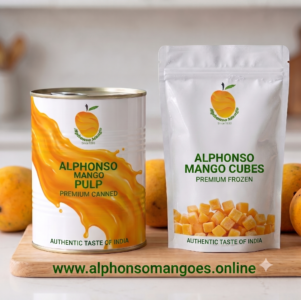
Alphonso mango pulp (often referred to as Alphonso puree or Hapus Aamras) is produced by extracting the rich, yellow-orange flesh of fully ripened Alphonso mangoes, separating it from the central seed (endocarp) and outer skin, and homogenizing it into a smooth, velvety liquid consistency.
To maintain shelf stability without sacrificing taste, high-grade producers process this liquid through controlled thermal pasteurization or advanced aseptic technology before sealing it into food-grade containers.
What Should High-Quality Alphonso Mango Pulp Contain?
-
100% Alphonso Mangoes: Sourced from verified geographical belts.
-
Zero Artificial Colors: Free from Tartrazine, Sunset Yellow, or synthetic dyes.
-
Zero Artificial Flavors: Driven entirely by natural essential oils in the fruit.
-
Zero Added or low Refined Sugar: Sweetened purely by natural fruit fructose and glucose.
-
Zero Chemical Preservatives: Free from Sodium Benzoate, Potassium Sorbate, or Metabisulfites.
-
Zero Synthetic Thickeners: Free from added starches, gums, or gelatin.
The gold standard of Alphonso pulp should look, smell, and taste identical to a freshly plucked, tree-ripened Alphonso mango from the orchards of Konkan.
Why Choose 100% Pure Alphonso Mango Pulp?
Opting for unadulterated, preservative-free Alphonso pulp isn’t just about superior flavor—it directly impacts nutritional intake, food safety, and kitchen versatility.
Pure Alphonso Pulp Benefits ├── Sensory Excellence: Natural floral scent, 20-22° Brix sweetness, zero synthetic aftertaste ├── High Micronutrient Retention: Rich in Beta-Carotene (Vitamin A), Vitamin C, Potassium & Polyphenols ├── Clean Label Safety: Safe for children, seniors, and clean-eating households └── Unmatched Culinary Consistency: Perfect structural integrity for baking, beverages & frozen treats 1. Unrivaled Natural Taste and Terroir
Nothing matches the complex flavor profile of genuine Alphonso mangoes. Chemical additives and synthetic sweeteners alter the natural acidity-to-sugar ratio, leaving an unpleasant metallic or overly cloying aftertaste. Pure pulp retains the delicate balance of tropical sweetness and mild citrus undertones.
2. Superior Nutritional Value
When mangoes are processed naturally without high-chemical interventions, they preserve vital heat-sensitive nutrients:
-
Vitamin A (Beta-Carotene): Gives the pulp its deep saffron hue and supports eye health and immune function.
-
Vitamin C: Acts as a powerful dietary antioxidant.
-
Dietary Fiber: Supports smooth digestion.
-
Essential Minerals: High natural levels of Potassium and Magnesium.
3. Safe for the Entire Family
Chemical preservatives like Sodium Benzoate and artificial food dyes have been linked to dietary sensitivities in young children and sensitive adults. Pure, thermally sterilized pulp offers a clean-label alternative that wholesome kitchens can trust.
4. Multipurpose Culinary Versatility
Commercial bakers, mixologists, and home chefs prefer additive-free pulp because it behaves predictably in recipes. Added gums or excess sugar can break emulsions in ice creams, alter baking chemistry in cakes, or prevent proper setting in mousse and jelly recipes.
7-Step Quality Framework: How to Identify Pure Alphonso Mango Pulp
Evaluating Alphonso mango pulp requires looking past the front label. Follow this step-by-step inspection checklist to analyze any brand before buying.
1. Read the Ingredient Label (The 100% Rule)
Turn the tin or pouch around and check the fine print.
The Golden Standard Label:
Ingredients: Alphonso Mango Pulp (100%).
If the product is slightly sweetened for commercial standardized baking, it should explicitly state: Alphonso Mango Pulp (94%), Sugar Cane Syrup (6%).
Red Flag Additives to Avoid:
-
Sodium Benzoate (E211) & Potassium Sorbate (E202): Chemical anti-fungal preservatives used when processing hygiene is insufficient.
-
Artificial Colors (FD&C Yellow No. 5 / Tartrazine): Used to disguise lower-grade, pale mango varieties (like Totapuri) as Alphonso.
-
Liquid Glucose / High Fructose Corn Syrup: Used to artificially inflate sweetness levels in under-ripened fruit.
-
Citric Acid in Excess: Used to mask low natural acidity or act as a cheap chemical preservative.
2. Inspect the Natural Color Spectrum
Real Alphonso pulp possesses a characteristic deep golden-yellow to soft reddish-orange glow due to high natural carotenoid levels.
-
Authentic Color: Warm, deep saffron-yellow. Slight color variation between batches is normal because natural harvests vary by weather and harvest week.
-
Suspicious Color: Neon yellow, electric bright orange, or completely dull greenish-brown. An overly uniform “chemical yellow” typically indicates artificial dyes.
3. Conduct an Aroma Assessment
The peel and flesh of an Alphonso mango contain high concentrations of natural aroma compounds (monoterpenes and lactones).
When you open a fresh container of pure pulp, it should immediately fill the room with a sweet, warm, floral-musky fragrance. If the pulp has no smell at all, or if it smells excessively like candy, bubblegum, or harsh chemicals, artificial flavor enhancers were likely added to offset inferior fruit quality.
4. Perform a Taste & Texture Test
Take a small spoon of pulp at room temperature and evaluate its mouthfeel and flavor progression:
| Quality Attribute | Pure Alphonso Pulp | Adulterated / Low-Grade Pulp |
| Sweetness | Rich, natural tropical sweetness (20–22° Brix naturally) | Cloying, harsh, syrup-like coating |
| Acidity Balance | Subtle, refreshing tang on the side of the tongue | Bitter, sour, or metallic chemical burn |
| Texture | Silky, velvety, smooth, medium-thick body | Watery, runny, or unnaturally gummy/gel-like |
| Fiber Level | 100% Fibre-Free mouthfeel | Stringy strands floating in the liquid |
5. Evaluate the Packaging Technology
Since pure pulp contains no chemical preservatives, the packaging itself must act as a barrier against light, oxygen, and bacteria.
-
Aseptic Tetra Packs / Pouches: Multi-layer barrier packaging that keeps pulp fresh without refrigeration until opened.
-
Sanitary Lacquered Cans: High-grade tinplate cans coated internally with food-grade, BPA-free protective lacquer. This prevents the acidic fruit pulp from reacting with the metal wall (which causes a metallic taste or dark discoloration).
-
Glass Bottles: Great for visual inspection, provided they are stored away from direct sunlight to prevent heat degradation.
Never buy cans that are dented, swollen, rusted, or leaking. A bulging can indicates bacterial gas production caused by improper sterilization.
6. Verify the Geographical Origin (Devgad vs. Ratnagiri)
The absolute finest Alphonso mangoes in the world grow in the Konkan belt of Maharashtra, India. The coastal terroir creates an unmatched sugar-acid balance that cannot be replicated elsewhere.
Top Alphonso Regions ├── Devgad Taluka (Sindhudurg): Highest sweetness (20–22° Brix), ultra-thin skin, intense aroma └── Ratnagiri District: Balanced sweet-tangy taste, rich saffron pulp, classic heritage flavor When buying premium Alphonso mango pulp, look for explicit regional naming like Devgad Alphonso or Ratnagiri Hapus on the packaging. Brands sourcing from these Geographical Indication (GI) protected zones proudly display origin credentials.
7. Check Processing Method Credentials
Check if the manufacturer utilizes Aseptic Processing or Flash Pasteurized Thermal Treatment. Modern flash heating kills spoilage micro-organisms in seconds without scorching the natural sugars or destroying the delicate flavor compounds of the mango, rendering chemical preservatives obsolete.
Why Do Different Alphonso Pulps Taste Different?
You may notice that two different brands—both labeled “Pure Alphonso Mango Pulp”—taste completely different. This variance comes down to five critical agricultural and processing factors:
-
Fruit Maturity at Harvest: Mangoes plucked too early lack developed sugars and require added artificial sweetening. Fruit plucked at peak maturity (Pad stage) produces sweet, aromatic pulp naturally.
-
Ripening Method: Naturally tree-ripened or straw-ripened fruit develops complex aromatic oils. Mangoes ripened forcibly with chemical gases (like calcium carbide) taste flat, sour, or watery.
-
Blended Varieties: Lower-grade manufacturers often blend 70% cheap Totapuri or Kesar pulp with 30% Alphonso pulp to cut costs while keeping “Alphonso” on the front label.
-
Thermal Over-Processing: Cooking pulp at excessively high temperatures for too long caramelizes the natural sugars, making the pulp turn dark brown and taste cooked or burnt.
Is Chemical-Free Canned Mango Pulp Really Safe?
Yes, completely. Many consumers mistakenly believe that any food product lasting 12 to 24 months on a shelf must contain hidden chemical preservatives. However, modern food engineering relies on thermal sterilization:
Thermal Processing Workflow (Preservative-Free) [Fresh Ripe Alphonso Mangoes] │ ▼ [Washing, De-stoning & Peeling] │ ▼ [Homogenization & De-aeration] │ ▼ [Flash Pasteurization (High Temp / Short Time)] │ ▼ [Hermetic Sealing in Aseptic Package or Lacquered Can] │ ▼ [Commercial Sterility Achieved (2+ Year Shelf Life Without Chemicals)] Once sealed in a sterile environment, micro-organisms cannot enter or multiply. The pulp remains completely stable at room temperature until the container seal is broken.
Creative & Delicious Ways to Use Pure Alphonso Pulp
Having a tin or pouch of pure Alphonso mango pulp in your pantry gives you instant access to authentic tropical flavor year-round:
-
Classic Maharashtrian Aamras: Whisk pulp with a pinch of cardamom powder, a drop of ghee, and dry ginger powder; serve alongside hot, fluffy puris.
-
Bakery-Style Mango Cheesecake: Fold pure pulp into cream cheese and gelatin/agar-agar for a silky, non-baked dessert topping.
-
Artisanal Mango Lassi & Shakes: Blend 1 part pulp with 2 parts fresh thick yogurt or chilled whole milk.
-
Tropical Cocktail Base: Use pure puree as a natural base for Mango Margaritas, Mojitos, or Daiquiris.
-
Gourmet Breakfast Topping: Swirl into morning Greek yogurt, oatmeal bowls, chia seed puddings, or over fluffy buttermilk pancakes.
Common Buyer Mistakes to Avoid
-
❌ Choosing Based Solely on the Lowest Price: Authentic Alphonso mangoes are an expensive crop. Extremely cheap pulp almost always indicates blended lower-grade fruit, added water, or synthetic additives.
-
❌ Ignoring “Added Sugar” Percentages: Check whether you are paying for fruit solids or cheap sugar syrup.
-
❌ Assuming All “Hapus” Labels are Pure: Always verify the ingredient panel on the back rather than trusting front-of-pack slogans.
-
❌ Leaving Opened Cans in the Fridge: Never store leftover pulp inside an open metal tin. Transfer unused pulp immediately into an airtight glass or food-safe plastic container before refrigerating.
Frequently Asked Questions (FAQs)
Is Alphonso mango pulp healthy for daily consumption?
Yes. Pure Alphonso pulp provides natural fruit sugars, dietary fiber, Vitamin A, and Vitamin C. Enjoy it as part of a balanced diet, keeping portion sizes in mind if you are monitoring overall sugar intake.
How long does pure Alphonso mango pulp last after opening?
Once opened, preservative-free pulp must be kept refrigerated at or below 4°C (39°F) and consumed within 3 to 5 days.
Can I freeze leftover Alphonso mango pulp?
Extremely well. Pour unused pulp into silicone ice cube trays or airtight freezer-safe containers. Frozen Alphonso pulp maintains optimal flavor for up to 6 to 9 months.
What is the difference between Mango Pulp and Mango Puree?
In practical culinary terms, the terms are used interchangeably. Technically, “puree” is passed through finer sieves during processing, resulting in a slightly smoother, highly liquid consistency preferred for baking and cocktails.
Which region produces the absolute best Alphonso mangoes?
The Devgad and Ratnagiri coastal districts in Maharashtra, India, are universally acknowledged as producing the world’s finest Alphonso mangoes due to their red laterite soil, high coastal humidity, and sea winds.
Final Thoughts
Finding authentic, 100% pure Alphonso mango pulp without chemical preservatives comes down to reading the ingredient label, checking for geographical origin, and understanding modern clean-label packaging.
By choosing verified, additive-free Alphonso pulp made from naturally ripened Devgad or Ratnagiri fruit, you bypass artificial shortcuts and enjoy the true, unadulterated flavor, deep saffron color, and rich tropical aroma of India’s undisputed King of Mangoes—any time of the year.