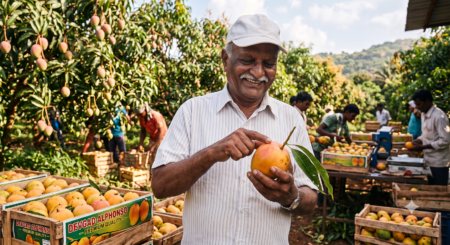
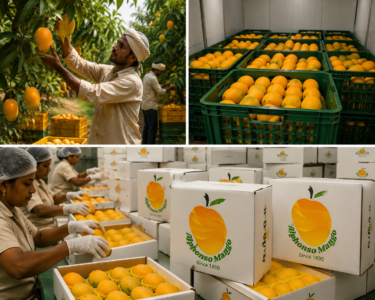
In today’s world, people are becoming more interested in natural wellness and traditional remedies. As we move through 2026, the idea of “whole-plant wellness” is gaining attention again. While most of us enjoy the rich, creamy pulp of a devgad hapus mango online, very few people realize that the mango tree itself has been valued in Ayurveda for thousands of years.
In ancient Ayurvedic texts, the mango tree is considered highly beneficial for health. Almost every part of the tree—from its leaves to its seed and bark—has been traditionally used for healing and wellness.
Mango Leaves and Their Health Benefits
Mango leaves, commonly known in India as “Aam ke Patte,” have long been used in traditional remedies. These leaves contain a powerful antioxidant compound called mangiferin, which is believed to support overall health.
In Ayurveda, young and tender mango leaves are often boiled to make herbal tea. This drink has traditionally been used to help manage blood sugar levels and support healthy blood pressure. Mango leaves are also rich in antioxidants that may help reduce oxidative stress in the body.
When you enjoy alphonso mangoes online, you are benefiting from trees that have grown for many years in natural conditions. Older mango trees are often believed to have stronger nutrient concentration compared to younger plantations.
Mango Seed and Digestive Health
The large seed inside a mango is often discarded after eating the fruit, but in traditional medicine it has its own importance. The seed kernel contains natural polyphenols and beneficial compounds that support digestion.
In Ayurvedic practices, the seed is dried and ground into powder. This powder has been used for centuries as a natural remedy for digestive discomfort. It is known for its astringent properties, which can help maintain balance in the digestive system.
When you enjoy a ratnagiri mango online, the fruit provides delicious pulp, but the seed inside also carries traditional health value that has been recognized for generations.
Mango Tree Bark in Traditional Healing
Another lesser-known part of the mango tree used in Ayurveda is the bark. The bark also contains mangiferin and other plant compounds that are being studied for their health-supporting properties.
In traditional medicine, extracts from mango bark have been used for their anti-inflammatory and antimicrobial qualities. Even today, researchers continue to explore how these natural compounds may support overall health and immunity.
A Tree That Gives More Than Just Fruit
The mango tree has been deeply respected in Indian culture and traditional medicine. In Ayurveda, it is sometimes referred to as a “Kalpavriksha,” meaning a wish-fulfilling tree. This title reflects the belief that every part of the tree provides some form of benefit.
When people enjoy fresh alphonso mango online shopping, they often focus on the rich taste and aroma of the fruit. However, the tree behind the fruit has been part of traditional wellness systems for thousands of years.
Rediscovering Ancient Wisdom
Today, many people are returning to natural and holistic approaches to health. Learning about the traditional uses of the mango tree reminds us that nature often offers more value than we realize.
When you buy alphonso mango online, you are not only enjoying one of the world’s most loved fruits but also connecting with a tree that has played an important role in Ayurveda and Indian heritage for centuries.
The Alphonso mango may be famous for its flavor, but its tree carries a much deeper story of wellness, tradition, and natural healing. 🌿🥭