Buy Fresh Alphonso Mango Online? Here’s Why You Shouldn’t Refrigerate Your Mangoes
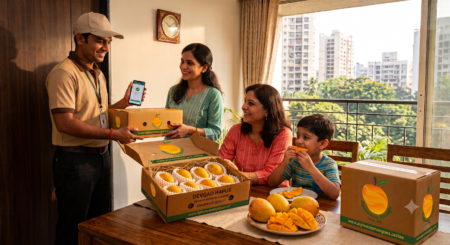
When your Fresh Alphonso mango online shopping order finally arrives at your doorstep, the excitement is palpable. You slice open the courier tape, peel back the aerated cushioning, and catch that initial, teasing hint of orchard-fresh perfume.
Then comes the instinct.
Conditioned by modern grocery habits where milk, greens, and imported apples head straight into the crisper, the first impulse of most buyers is to take that entire premium wooden or corrugated box and slide it directly into the refrigerator to “lock in the freshness.”
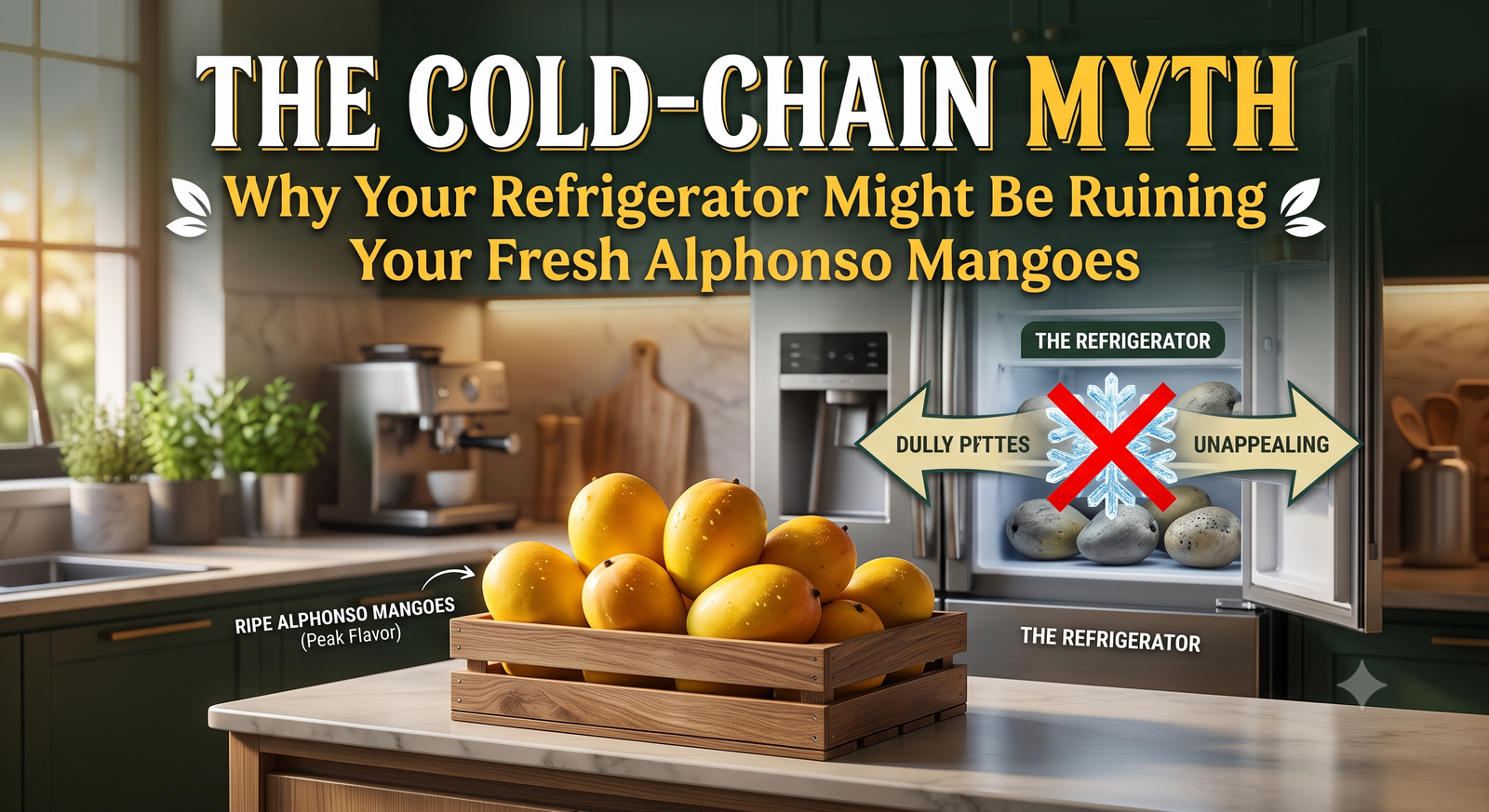
If you buy fresh Alphonso mango online, immediate refrigeration is the single most effective way to dull the legendary sweetness, mute the intoxicating aroma, and ruin the velvet texture of your fruit.
At Alphonsomangoes.online, we call this pervasive misconception The Cold-Chain Myth: the mistaken belief that keeping Alphonso mangoes chilled from delivery straight to the table preserves their quality.
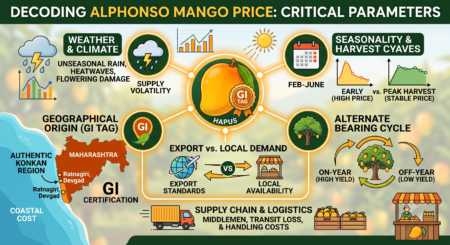
For authentic Geographical Indication (GI) tagged treasures like Devgad Hapus and Ratnagiri Alphonso mangoes, treating them like cold-hardy orchard fruits is a recipe for heartbreak. The secret to that buttery, saffron-hued decadence lies in understanding post-harvest biochemistry, honoring the fruit’s natural ripening trajectory, and knowing precisely when to introduce cold temperatures.
Here is your definitive master guide to unboxing, ripening, storing, and serving Alphonso mangoes the way coastal Konkan growers intended.
1. The Science of the Konkan King: Why Refrigeration Stunts Unripe Hapus
To understand why cold temperatures damage an unripe Alphonso, one must look at where this variety evolved. Cultivated in the mineral-dense, iron-rich laterite soils of Devgad, Ratnagiri, and the coastal belt of Maharashtra, Hapus flourishes under blazing tropical sun, high humidity, and balmy Arabian Sea breezes. It is genetically wired for warmth.
Climacteric Fruit Biology
Alphonso mangoes are strictly climacteric fruits. This classification means that harvesting does not mark the end of the fruit’s physiological life; rather, it marks the beginning of an intricate ripening cascade driven by natural ethylene production and an accelerated respiration rate.
When an unripe or semi-firm mango is picked at maturity:
-
Insoluble starches are systematically converted into simple, rich sugars (fructose, glucose, and sucrose).
-
Pectic substances within the cellular walls break down, turning tough, chalky pulp into a silken, melting texture.
-
Chlorophyll breaks down within the peel and flesh, revealing intense carotenoids (the signature saffron-gold hue).
-
Volatile organic compounds—specifically monoterpenes, esters, and lactones—volatilize to produce the unmistakable, room-filling Alphonso fragrance.
The Phenomenon of Chilling Injury
When you subject an unripe mango to typical domestic refrigerator temperatures (between 2°C and 5°C), this biological machinery stalls. Temperatures below 10°C to 12°C induce a physiological breakdown known as chilling injury.
Chilling injury disrupts cellular membrane integrity and deactivates the metabolic enzymes responsible for producing ethylene and synthesizing aromatic esters. Once these enzymes are shocked by cold, bringing the mango back to room temperature rarely reactivates them fully.
Instead of an exquisite dessert fruit, prolonged early refrigeration yields:
-
Sub-epidermal Pitting and Browning: Greyish, dull, or sunken dark patches that appear on the skin.
-
Lignified or Leathery Pulp: Instead of turning buttery, the pulp becomes unevenly fibrous, spongy, or watery.
-
Muted Aromatics: The volatile aromatic compounds fail to synthesize, stripping the fruit of its trademark perfume.
-
Acid Retention: Starches fail to transform into sugars, leaving the mango tasting unpleasantly tart, flat, and sour.
2. Devgad vs. Ratnagiri: Respecting Terroir and Ripening Dynamics
Not all mangoes behave identically, and when you order premium Alphonso mangoes online, the microclimate of origin dictates subtle nuances in how the fruit matures.
+------------------+------------------------------------+------------------------------------+ | Feature | Ratnagiri Alphonso (Hapus) | Devgad Alphonso (Hapus) | +------------------+------------------------------------+------------------------------------+ | Soil & Terrain | Laterite rock with coastal valleys | Heavy laterite plateaus by the sea | | Skin Traits | Slightly thicker, deep golden hue | Paper-thin peel, lustrous saffron | | Aroma Intensity | Intense, heady, room-filling | Delicate, sweet, floral notes | | Ripening Pace | Moderate, steady post-harvest | Slightly quicker conversion | +------------------+------------------------------------+------------------------------------+ Because authentic Konkan fruit possesses delicate cellular architecture without artificial calcium carbide accelerants, their skins remain porous and responsive to ambient temperature. Smothering these regional characteristics under the dry, frigid air of an appliance completely erases the nuanced terroir you paid to experience.
3. The Unboxing Protocol: What to Do the Moment Delivery Arrives
When your package from Alphonsomangoes.online arrives, resist the temptation to unpack blindly. Follow this step-by-step unboxing ritual to set your batch up for flawless ripening.
Step 1: Open the box immediately & discard non-breathable packing. ↓ Step 2: Inspect every fruit and grade by firmness and aroma. ↓ Step 3: Separate into ripening batches (green/firm vs. turning vs. ripe). ↓ Step 4: Place firm mangoes stem-down on aerated, breathable bedding. Step 1: Open and Inspect
Unseal the master shipping box immediately. While specialized shipping boxes feature aeration vents, humidity can build up inside during transit. Discard any non-breathable wrapping, plastic sleeves, or synthetic foam nets right away.
Step 2: The Sorting Triage
Sort your shipment into three distinct categories:
-
Firm & Olive-Green: Need several days of ambient ripening.
-
Semi-Firm with Yellow Blushes: Within 24 to 48 hours of peak ripeness.
-
Yielding & Fragrant: Ready for consumption within 12 to 24 hours.
Never leave a fully ripe mango in direct contact with a firm, green mango inside an enclosed container. The ripe mango releases high concentrations of ethylene, which can cause its neighbor to ripen too quickly on the outside while the pulp near the seed remains under-developed.
4. The Golden Rules of Countertop Ripening
For firm and partially ripe Alphonso mangoes, your kitchen counter or pantry is the true ripening chamber. To mimic the traditional grass-bed curing methods (Aadi) used by Konkan farmers, follow these environmental parameters:
-
Ventilation Over Sealing: Place the mangoes in a single layer inside a shallow wooden crate, a woven wicker basket, or on clean brown paper / cardboard sheets. Never suffocate them in poly bags.
-
Keep Out of Direct Sunlight: Solar radiation heats the outer skin excessively, cooking the pulp directly beneath the peel while leaving the core hard. Choose a dry, dimly lit, well-ventilated corner.
-
The “Stem-Down” Orientation: Whenever practical, position the mangoes with their stem end pointing down. This balances the distribution of internal moisture and prevents sap from pooling unevenly around the shoulder.
-
The Natural Ethylene Hack: If you have an unusually stubborn, firm mango that you need ripened for an upcoming dinner party, wrap it loosely in a single sheet of plain newspaper alongside a ripe banana or a natural apple. The natural ethylene gas released by the companion fruit speeds up ripening without chilling or chemically altering the pulp.
5. Identifying True Peak Ripeness: Look Beyond Color
One of the costliest mistakes buyers make is relying solely on peel color to judge whether an Alphonso is ready. Natural, carbide-free Alphonso mangoes do not always turn uniform canary-yellow across their entire surface. A fruit with a mottled greenish-yellow skin can often be fully ripe and luscious inside.
Instead of hunting for cosmetic perfection, rely on this three-sense evaluation:
1. The Olfactory Test (Aroma)
True Alphonso mangoes speak through their fragrance. Pick up the fruit and smell the area directly around the stem cavity. An unripe mango smells faintly vegetative, like crushed green leaves. A ready-to-eat Hapus yields a rich, warm, honeyed scent laced with floral and resinous undertones. If you can smell that perfume from two feet away, the mango is ready.
2. The Tactile Test (Gentle Pressure)
Do not pinch or dig your fingertips into the fruit; Alphonso skin is tender, and forceful pressure damages the delicate internal fibers, leaving bruised brown spots beneath the surface. Instead, cradle the mango in your open palm and apply a broad, gentle squeeze using the base of your thumb. It should offer a gentle, springy give—similar to a ripe avocado or a firm peach.
3. The Visual “Shoulder” Test
Look closely at the top of the fruit where the stem meets the mango. In an immature mango, the stem joins flush with flat shoulders. As the fruit hits full maturity, the “shoulders” swell outward and upward, creating a slight indentation around the stem stem base. When these plump shoulders accompany a gentle yield to the touch, you have reached peak eating quality.
6. How and When to Safely Use Your Refrigerator
Once your Alphonso has completed its countertop journey and achieved peak flavor, the role of temperature flips entirely. At this specific junction, the refrigerator shifts from being a hazard to an invaluable preservation asset.
Extending the Usable Shelf Life
Once the starch-to-sugar conversion is complete and the aromatic profile has peaked, chilling stops further enzymatic degradation. If you receive a box of a dozen mangoes that ripen simultaneously, leaving them on the counter guarantees that half of them will overripen, ferment, and spoil before you can finish them.
By transferring fully ripe mangoes into the refrigerator:
-
Respiration slows by up to 80%.
-
Over-softening and internal liquefaction halt.
-
You preserve that peak flavor window for an additional 3 to 5 days without degrading quality.
Best Practices for Refrigerating Ripe Mangoes
-
The Crisper Drawer is Best: Store ripe mangoes in the high-humidity vegetable crisper drawer, set to roughly 8°C to 10°C if your refrigerator features zone adjustments.
-
Use Breathable Paper Wraps: Loosely wrap individual ripe fruits in clean paper towels or unbleached brown paper bags before placing them in the crisper. This shields them from the dehydrating forced-air circulation typical of frost-free units.
-
Keep Away from Raw Alliums: Mango skins absorb environmental odors readily. Keep them far away from cut onions, minced garlic, or strong cheeses stored in the same unit.
7. The 30-Minute Chill: Achieving the Ultimate Tasting Experience
While eating an Alphonso mango warm from the afternoon sun is an orchard luxury, most lovers of Indian mangoes enjoy their fruit with a refreshing, slight cool edge—particularly during blistering summer heatwaves.
The mistake lies in eating the mango straight out of deep refrigeration. At 4°C, cold temperatures numb human taste buds. The tongue’s receptors for sweetness and nuanced volatile flavor compounds become temporarily desensitized, and the rich butter-fat mouthfeel of genuine Hapus stiffens into a muted, solid paste.
To experience sensory perfection, use the Reverse Chill Method:
Ripe Mango on Counter → Chill in Fridge (30-45 mins) → Slice & Serve at 15°C-18°C OR Stored Ripe in Fridge → Rest on Counter (20-30 mins) → Slice & Serve at 15°C-18°C -
If your mangoes have been resting ripe at room temperature, transfer the ones you plan to eat into the refrigerator for just 30 to 45 minutes before slicing.
-
If your mangoes were stored in the refrigerator to prolong their shelf life, pull them out and let them rest on the kitchen counter for 20 to 30 minutes prior to cutting.
This technique brings the internal pulp temperature to a sweet spot around 15°C to 18°C. At this temperature, the mango is refreshingly crisp, the natural sugars light up your palate instantly, and the full spectrum of aromatic terpenes blooms across your senses.
8. Summary: The Hapus Post-Harvest Cheat Sheet
Keep this quick reference guide handy whenever your online orders touch down:
+------------------+-----------------------+--------------------+------------------------------------+ | Mango Stage | Storage Location | Ideal Temp Range | Purpose / Action | +------------------+-----------------------+--------------------+------------------------------------+ | Firm / Green | Open counter / basket | 24°C to 30°C | Allow natural enzymatic ripening | | Semi-Ripe | Shaded room counter | 22°C to 26°C | Monitor daily; await sweet aroma | | Fully Ripe | Refrigerator crisper | 8°C to 11°C | Extend shelf life by 3–5 days | | Pre-Serving | Counter rest or chill | 15°C to 18°C | Maximize volatile aroma & sweetness| +------------------+-----------------------+--------------------+------------------------------------+ Savor Real Hapus the Right Way
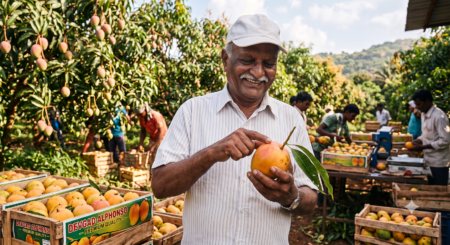
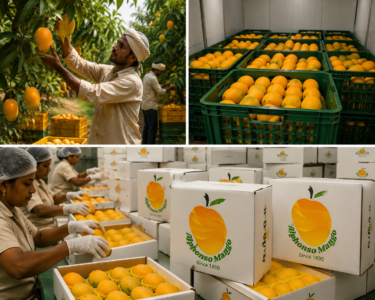
A box of handpicked Devgad or Ratnagiri Alphonso mangoes is the culmination of nine months of coastal care: patient winter pruning, vigilant flowering protection, careful hand-harvesting at the break of dawn, and meticulous sorting.
When you order from Alphonsomangoes.online, you receive pristine, chemical-free fruit nurtured under authentic Konkan skies. Don’t neutralize that craftsmanship by throwing the delivery box into a freezing refrigerator drawer.
Honor the rhythm of the fruit:
-
Unbox promptly.
-
Ripen on the counter.
-
Chill briefly only when ready to indulge.
Treat your mangoes with care, and every slice will reward you with the silky texture, honeyed depth, and sun-drenched saffron richness that make the Alphonso the undisputed King of Fruits. Explore our seasonal harvests at Alphonsomangoes.online and taste what real, naturally ripened Hapus is supposed to be.